Hack Spirit Editorial Team
Some things don’t get banned or replaced. They just fade out, so slowly that nobody marks the day they stopped happening.
The 70s had a whole set of small, ordinary pleasures that have quietly slipped away. Not the big cultural stuff. The little textures of a normal day, the kind nobody thought to miss until they were already gone.
Here are a few that vanished without a goodbye.
1. Not being reachable
If you left the house, you were gone. Nobody could find you, and that was just how it worked.
You could spend a whole Saturday out and not check in with anyone, because there was no way to. The phone was bolted to the kitchen wall. Once you walked out the door, your time was genuinely your own. There’s a particular kind of freedom in that which is almost impossible to explain now. You weren’t ignoring anyone.
You were simply unavailable, and so was everyone else, and the world held together fine.
2. The Sunday where nothing was open
In many places, stores simply closed. There was nowhere to run to for one more thing, so you didn’t.
It forced a kind of slowness on everyone, whether they wanted it or not. You stayed home. You visited family or you sat around doing very little. The day had a different shape from the other six, a softness you could feel by mid-morning.
Now every day is a shopping day and Sunday feels like all the rest. Something about that enforced pause is hard to get back once it’s gone.
3. Waiting for your song on the radio
You couldn’t summon a song. You had to wait for it.
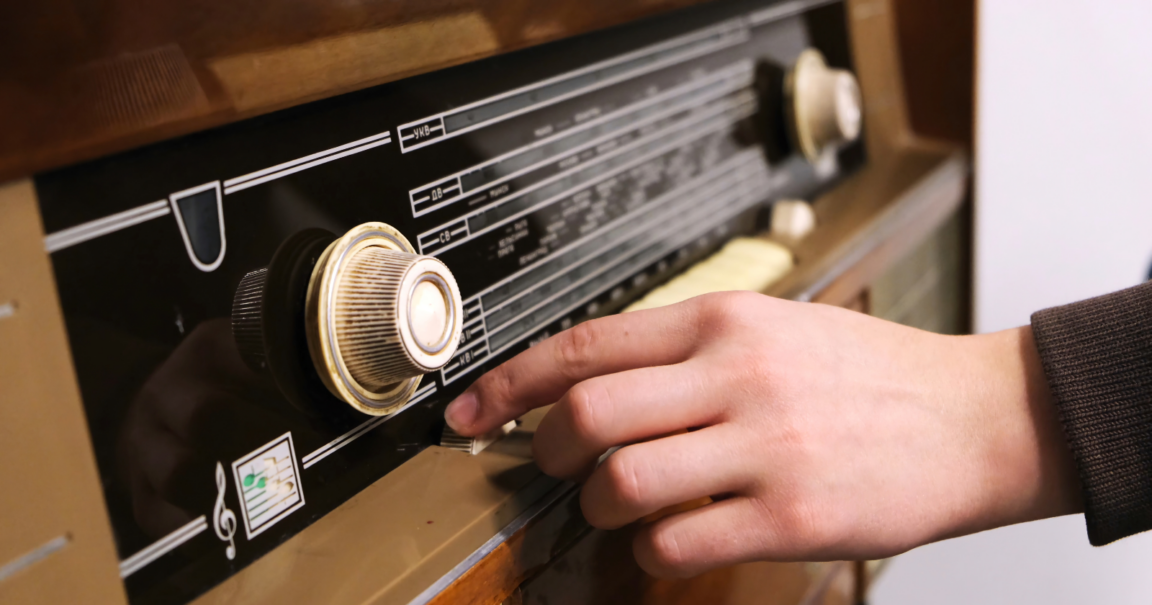
So you’d sit by the radio with your finger over the record button, hoping the DJ would finally play the one you loved and wouldn’t talk over the intro. When it came on, it felt like a small gift, like the day had decided to be good to you. That waiting built an attachment that on-demand music can’t quite reproduce. You loved a song more because you couldn’t have it whenever you wanted. The scarcity was half the pleasure.
4. Photos you hadn’t seen yet
You took a picture and then you forgot what it looked like. Sometimes for weeks.
The film sat in the camera until the roll was done, then went off to be developed, and you’d pick up the envelope days later with no idea what was inside. Half of them were blurry. Someone’s thumb was in the corner.
But there were always two or three that caught something real, and seeing them for the first time was its own small event. You can’t be surprised by your own photos anymore. They show up the instant you take them.
5. The long, pointless phone call
Teenagers stretched the kitchen cord around the corner and talked for hours about nothing.
There was no texting to drain the conversation down to a few words. If you wanted to talk to a friend, you actually talked, voice to voice, often well past any real reason to keep going. Parents hovered, wanting the line back. The whole thing tied up the house phone, which is why it felt slightly forbidden and therefore better. Those rambling calls were where friendships got deep. You learned someone by hearing the boring parts.
6. Getting bored
There was nothing in your pocket to save you. When boredom hit, you just had to sit in it.
And then something would happen. You’d build a fort, or wander outside, or invent a game, or finally crack open the book that had been sitting there.
Boredom was the doorway to almost everything kids did for fun. It pushed you into your own imagination because there was nowhere else to go. That blank, restless feeling has mostly been engineered out of life now. The moment it arrives, a screen is right there to swallow it.
7. When the whole family watched the same thing
A show came on at a set time, and if you missed it, you missed it. So everyone gathered.
The family ended up on the same couch watching the same program because there was only one set and one shot at seeing it. You couldn’t pause it to take a call. You couldn’t watch your own thing in your own room. That shared appointment created a strange togetherness, even when nobody said much.
The next day, half the country had seen the exact same thing the night before, and you could talk about it with anyone.
8. Letters you held in your hands
Someone sat down, thought about you, and wrote it out by hand. Then you waited days for it to arrive.
Getting a real letter meant someone had given you their time, not just a spare ten seconds between other things. You could feel how long they’d spent by how full the pages were. People kept those letters in shoeboxes and drawers and reread them years later. A message on a screen disappears up the feed within the hour. A letter stayed, because it was a physical thing that someone’s hand had actually touched.
The past wasn’t better. Plenty about the 70s was worse, and most of us wouldn’t trade our conveniences to get any of it back.
What’s harder to account for is that some of what went wasn’t replaced — just crowded out. The forced pause of a closed Sunday. The song that felt like a small gift because you’d waited for it. Things that didn’t disappear because anything better came along. They just got outrun.