Hack Spirit Editorial Team
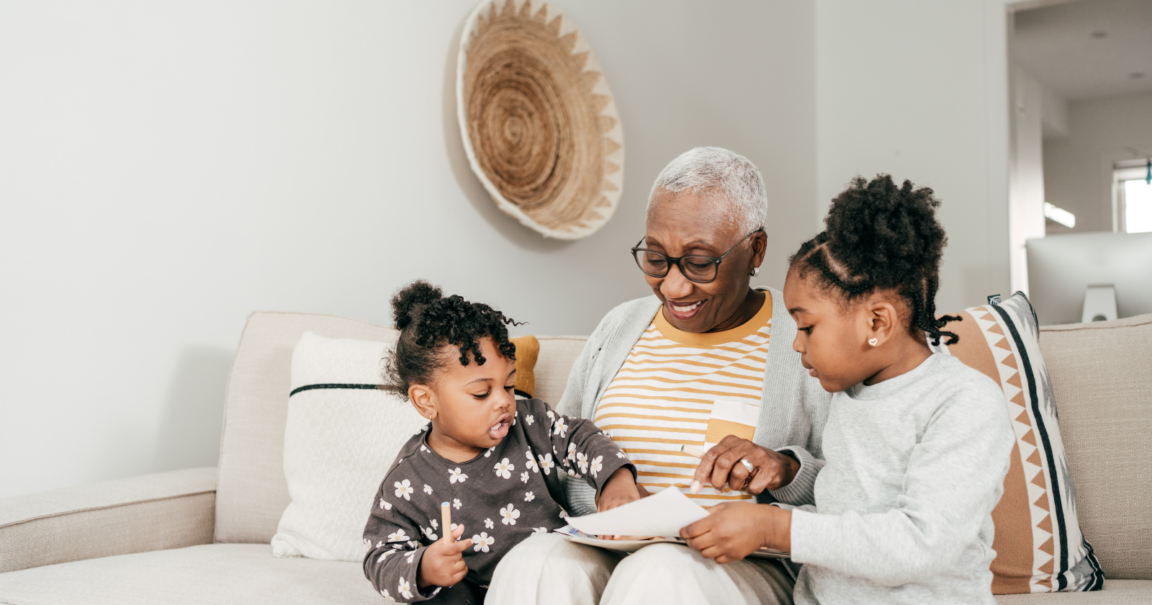
Some grandparents get a genuine reaction when their name comes up. The kid actually wants to go. Others get a polite nod and a car ride full of negotiation.
The difference almost never comes down to money, gifts, or how nice the house is. It’s usually a handful of small habits, most of them unglamorous, most of them repeated for years without much thought.
Here are eight of them. None require energy a seventy-year-old doesn’t have, which is part of why they work.
1. They ask about the small thing, not the big thing
How’s school is a dead end and every child knows it. So is how are you.
The grandparents kids look forward to seeing ask sideways questions. Is that teacher still doing the thing with the stickers. Did your friend get the dog yet. Whatever happened with the tryout.
It works because it proves something. Somebody kept a detail about a nine-year-old’s life in their head for three weeks without being reminded.
Children don’t have many people doing that for them. Parents are usually too deep in logistics to ask about the sticker chart. Grandparents have room for it.
2. The one thing that’s always the same
There’s usually a fixed feature. The particular biscuits in the particular tin. The walk to the same bench. The card game with the house rules that make no sense to outsiders.
Kids need very few of these, but they need them reliable. The whole appeal is that it doesn’t change while everything else does.
It’s rarely the grandparent’s idea. Something happens by accident once and the child asks for it again, and the smart move is simply to keep doing it for the next eleven years.
Grown adults will still describe that tin in detail decades later.
3. When the parents’ rules get bent
This one is delicate, and the good version isn’t what people assume.
It’s not undermining the parents. It’s the small, sanctioned exception. Pudding before dinner once. Staying up for the end of the film. The tolerated mess that would cause a scene at home.
What makes it land is the conspiracy of it. A shared look, a we won’t mention this, the sense of being on the same team for an evening.
The ones who get it wrong bend rules that actually matter and put the child in the middle. The ones who get it right pick things small enough that nobody’s really being deceived, and everybody enjoys pretending otherwise.
4. They let a kid be bored in the house
A lot of visits get over-programmed. The zoo, the activity, the schedule, the constant checking that everyone is having a nice time.
The ones children like best are often less structured than that. There’s a drawer to go through. A garden. A cupboard of things from 1974 that nobody has thrown out.
Nothing is being run. The grandparent is doing their own thing in the next room and available if needed.
That combination, unsupervised freedom plus a nearby adult, is rarer than it sounds in a modern childhood. It’s also the setting where kids relax enough to actually start talking.
5. Telling the same stories on request
Family stories are how a child works out where they came from. The war one, the boat one, the one about their own parent at fourteen doing something appalling.
That last category is the currency. Kids are hungry for evidence that their mother or father was once a person who got in trouble.
What matters is the willingness to tell it again. Not a shortened version. Not the sigh that says you’ve heard this.
The story is the same every time and that’s the entire point. Repetition is how children take ownership of it.
6. They don’t comment on the body
Haven’t you grown. You’ve filled out. Are you eating. Have you had a growth spurt or is it the shoes.
It’s meant affectionately and it lands as an inspection. Teenagers in particular walk into a room already braced for it, and they’ve usually decided how the visit is going before their coat is off.
The grandparents kids relax around skip it entirely. They comment on the haircut if the kid seems pleased with it, and otherwise stick to what the child is doing rather than how they look.
You can see the difference in how fast a fourteen-year-old sits down.
7. The delayed reaction to bad news
A child mentions something that went wrong. The mark, the fight, the thing they got in trouble for.
Most adults respond immediately with a position. Disappointment, or a solution, or a lecture dressed up as a question.
The ones kids keep talking to tend to wait a beat. Ask one more thing. Let the child finish before deciding what it means.
It’s not permissiveness. They often say the harder thing eventually. But it arrives after the story is fully out, which means the child got to tell it, which means they’ll tell the next one too.
8. They stay in touch between visits
Not constantly. A short message about something specific. A postcard. A photo of something they thought the kid would find funny.
Plenty of grandparents wait to be contacted and end up hurt that nobody calls. Children rarely initiate. It isn’t personal, it’s just that eleven-year-olds don’t think that way.
The ones who send the odd thing without expecting a reply end up with a relationship that runs continuously rather than restarting from cold every school holiday.
Half the messages go unanswered. It doesn’t matter. The kid still saw it.
Most of this is unglamorous, and none of it competes with a good present in the short run. It just holds up better over twenty years.
If you’ve got someone in the family who’s struggling to connect with the younger ones, it’s usually not for lack of love. It’s more often that nobody ever told them the biscuit tin was the important part.