Hack Spirit Editorial Team
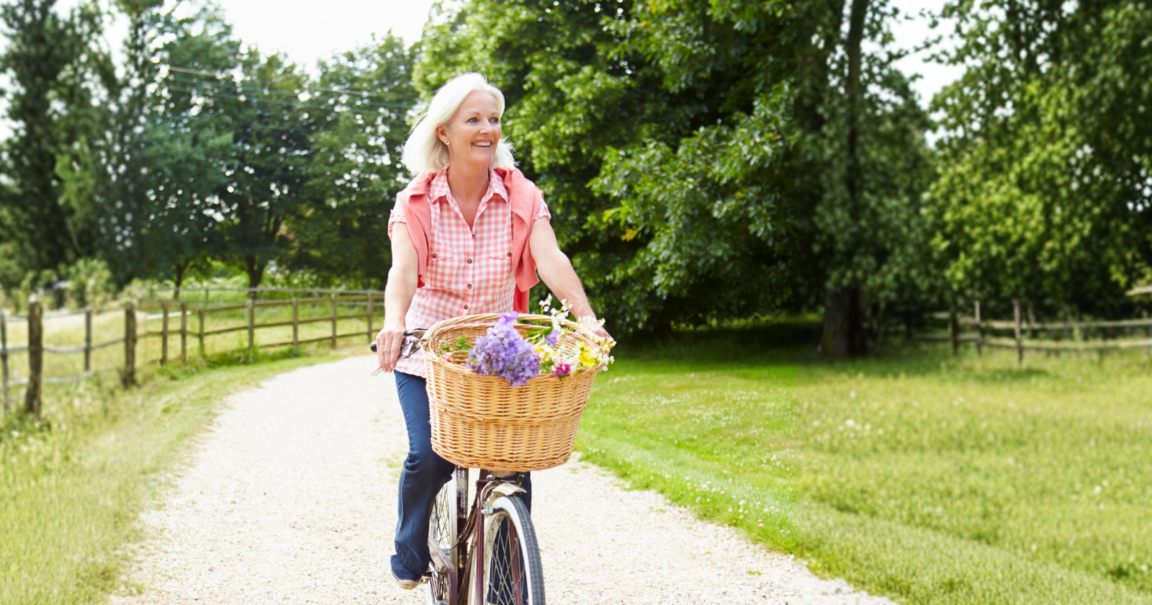
How old someone looks is subjective and strongly affected by genetics, health, environment and chance. A habit cannot guarantee a younger appearance, and ageing is not a failure to correct.
The nine habits below are better understood as ways to support skin health, comfort and general wellbeing. Only some have a direct evidence-based relationship with visible skin ageing.
1. They drink water like it’s a habit, not a chore
You’ll notice the glass is just always around. On the desk, in the car, refilled without thinking about it. They’re not counting ounces or following a rule. It’s just something their hand reaches for.
The rest of us tend to remember water only when we’re already parched.
There’s nothing glamorous about it, which is probably why it gets overlooked. Regular hydration supports normal body function, but drinking extra water is not a proven shortcut to younger-looking skin. The useful goal is avoiding dehydration, not chasing an appearance promise.
2. The sun hat that comes out without a second thought
Some people treat shade like a preference and others make sun protection part of their routine.
The hat goes on. The sunglasses live in the bag. They drift to the shady side of the street without announcing it.
It’s rarely about vanity, more just a habit they built so long ago they’ve forgotten they have it. You’ll see it at the beach, on the walk, at the outdoor lunch, that easy reach for a bit of cover. This is the clearest skin-health habit on the list. The American Academy of Dermatology says sun protection can reduce sunburn, skin-cancer risk and premature skin ageing. Shade, protective clothing and broad-spectrum sunscreen all matter.
3. Moving a little every day
Not punishing workouts. Not a whole identity built around the gym. Just movement, most days, in some form.
The walk after dinner. The stairs instead of the lift. The garden that somehow keeps them bending and reaching all afternoon.
What stands out is the consistency, not an aesthetic. Regular movement can support mobility and wellbeing, although ability and access vary and appearance is not the measure of success.
The daily part matters more than the effort part.
4. They actually sleep
This is the one people say they know and then ignore. People who protect their sleep treat rest as a real health need rather than an optional reward.
The phone goes down. The late show goes unwatched. Bedtime is a real thing, not a vague intention.
You’ll notice they’re a little protective of their evenings, unwilling to trade a good night’s rest for one more episode or one more scroll. It can even read as slightly unfun to people still burning the candle at both ends. Sleep affects how rested someone feels and functions, but it does not guarantee a particular appearance.
5. Keeping the skincare simple
A basic skincare routine can be easier to follow consistently than a complicated one. A cleanser, a moisturizer, some sun protection, done.
They’re not layering twelve products every night.
What they have instead is consistency. The same simple few steps, done every day for years, without skipping when they’re tired. The elaborate ten-step regimens tend to belong to people chasing a fix, while the ones who look effortless just do the basics reliably. It’s less about what’s on the shelf and more about the fact that they actually use it, night after unremarkable night. A simple routine may be enough for many people; individual skin needs differ, and a dermatologist can advise on persistent concerns.
6. When something goes wrong, they don’t marinate in it
Watch how they handle a bad day. The stress comes, they deal with it, and then they seem to set it down rather than carry it around for a week.
They worry, sure. Everyone does. But they don’t let every small problem live in their shoulders and their forehead for months.
Finding ways to recover from stress can support wellbeing. It is not fair or accurate to judge someone’s coping skills, health or life history from lines or tension in their face.
7. The laugh that comes easily
Some people laugh with their whole face and do it often. It turns out that habit ages well.
The woman who finds things funny, who isn’t too dignified for a real laugh, tends to carry a kind of animation that flat seriousness never quite matches.
You’ll see it in how they tell a story, how they react to a joke, how quick they are to find the absurd side of things. A ready laugh can make someone seem animated and warm in the moment. That social impression is not evidence that laughter slows physical ageing.
8. They eat like they enjoy it, not like they’re punishing themselves
There’s a relaxed relationship with food you’ll notice in a lot of these women. Real meals, sat down and enjoyed, without a running tally of guilt attached.
They cook. They eat vegetables because they like them, not as penance.
What’s missing is the frantic all-or-nothing pattern, the crash followed by the blowout. Instead there’s a steadiness, a way of feeding themselves well most of the time without turning every plate into a moral test. A less punitive relationship with food may support wellbeing, but bodies and nutritional needs differ. Food should not be treated as a moral test or a guarantee of appearance.
9. They stay curious about something
Curiosity and hobbies can keep life engaging at any age.
A hobby. A subject. A stack of books, a new skill, a plan for something.
Being engaged with the world can change the energy a person brings to a conversation. It does not determine their biological or visible age, and a period of low curiosity may reflect stress, illness or limited opportunity rather than character.
The unglamorous common thread
Not one of them is dramatic, and that’s the part worth sitting with. There’s nothing to purchase and no system to commit to. Most of what’s on this list is already available to anyone, most days. What isn’t easy is the consistency: doing the same small things without skipping them when life gets in the way.
If a few of these describe someone you know, pay attention to how they actually live rather than what they use. The value of these habits is in health, comfort and engagement, not in proving that someone looks younger than their age.