Hack Spirit Editorial Team
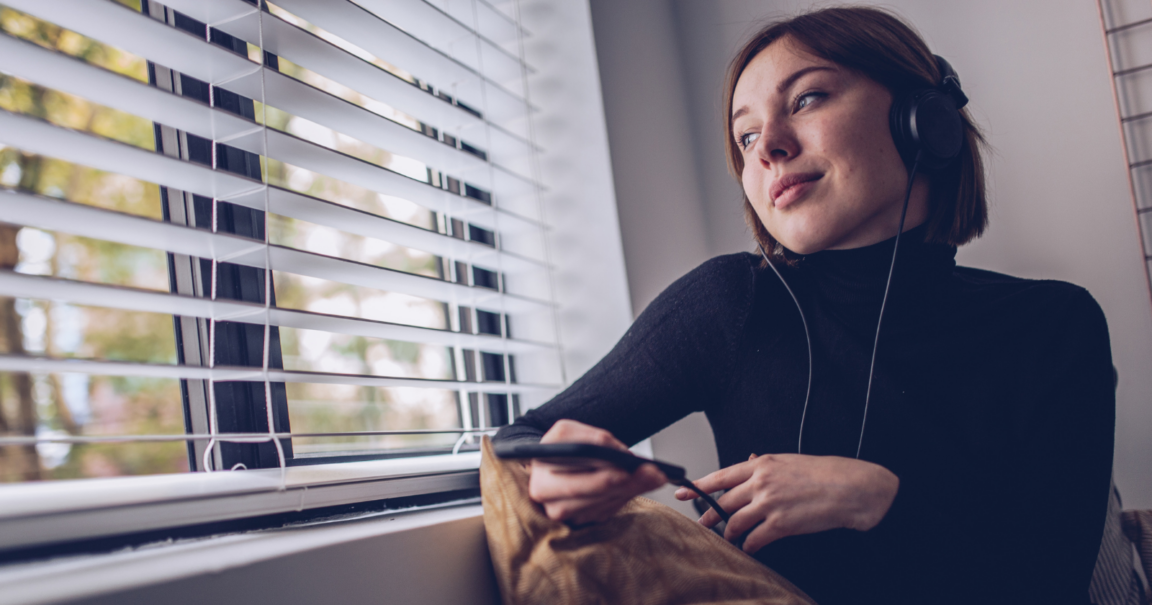
For them, being alone isn’t the absence of something. It’s the return of something. They come home, close the door, and feel something in their chest finally unclench.
The version of themselves that exists when nobody’s watching is the one that feels most real, and the company of others, even people they love, asks them to be a slightly edited version. Here’s what tends to be going on with people who feel most themselves in their own company.
1. They drop the monitoring when they’re alone
Around other people, a quiet part of their mind is always tracking how they’re coming across.
Is my face doing the right thing? Did that land wrong? Should I say something now?
It’s a low hum of self-surveillance that never fully shuts off in company, even good company. Alone, that hum goes silent. They stop watching themselves from the outside and just exist from the inside.
The relief of solitude, for them, is mostly the relief of no longer being observed, including by their own anxious inner monitor. They can finally let their face do whatever it wants.
2. The mask that comes off at the door
Most people wear a slightly adjusted self in public, and for some that adjustment is exhausting.
They’re warmer than they feel, or more upbeat, or more agreeable, smoothing their edges to fit the room. None of it is fake exactly. It’s just effortful, a performance that takes energy to keep running. When they get home and the door clicks shut, the performance ends. The real face comes back.
People who feel most themselves alone often have a wide gap between their public and private selves, and closing that gap each evening is the best part of the day.
3. They think better without an audience
Their clearest thinking happens when there’s no one there to think at. In conversation, half their attention goes to the other person, to keeping it flowing, to reading reactions. Their thoughts come out half-formed, shaped to be heard rather than to be true.
Alone, the thinking runs deeper and stranger and more honest, because it doesn’t have to be presentable.
They work things out on a walk, in the shower, lying awake. For these people, solitude isn’t empty time. It’s when the real mental work finally gets room to happen, without an audience editing it in real time.
4. When they don’t have to manage anyone’s mood
In company, they’re often quietly tending to how everyone else is feeling.
Is that person bored? Is the energy dipping? Should I draw the quiet one out?
Some people carry this radar everywhere, always half-responsible for the emotional weather of the room. It’s a kind of invisible labor, and they may not even notice they’re doing it until they stop. Alone, there’s no mood to manage but their own. They can feel exactly what they feel without adjusting it for anyone, and that freedom from emotional caretaking is its own deep rest.
5. They like their own taste, uninterrupted
Alone, they get to follow their own preferences with nobody to consider but themselves. They eat the odd meal they actually want at the strange hour they want it. They play the music nobody else likes, loud. They rewatch the same comfort thing for the fourth time without a flicker of having to justify it.
So much of being with others is small, constant compromise on what to do, where to go, what to put on. By themselves, every choice is purely theirs. That uninterrupted run of their own taste is a small daily luxury they protect.
6. Solitude is where they refill
For these people, being alone isn’t what drains the battery. It’s what charges it.
A day full of people, even a genuinely good one, leaves them depleted in a way a quiet evening repairs. They’re not antisocial. They can be warm and engaged and glad to be out. But there’s a cost to it that builds through the day, and only solitude pays it back. Their alone time isn’t a sad consolation for having no plans. It’s the necessary thing that lets them show up for the people in their life at all. Without it, they start to fray.
7. They don’t perform their feelings when no one’s there
In front of others, even sadness or stress gets shaped a little for the audience.
You manage how much you show, you reassure people who get worried, you keep it within what the moment can hold. Alone, a feeling can just be its full size. They can cry without comforting anyone about it, sit with a worry without explaining it, be in a flat mood without anyone asking what’s wrong. There’s an honesty available in solitude that company quietly edits out. For some people, that unedited access to their own emotions is the most themselves they ever feel.
The people who refill in solitude usually give more freely once they have, not less.
And if this describes someone you love, the kindest thing might be to stop reading their need for space as a small rejection. For them, the closed door isn’t you being shut out. It’s them getting back the self they’ll bring to you next time.