Hack Spirit Editorial Team
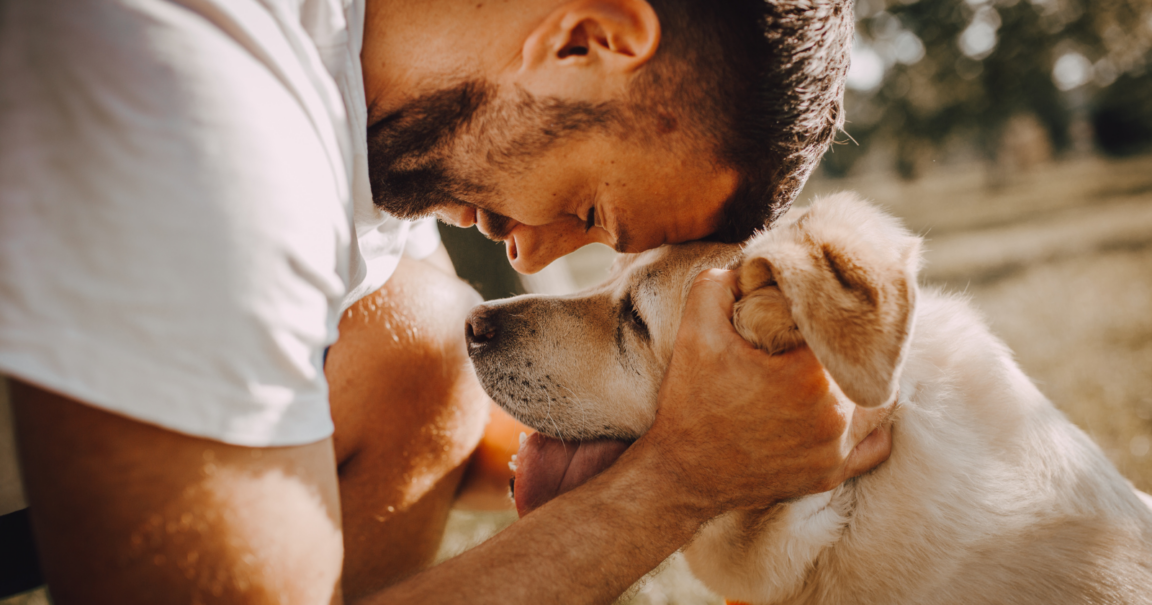
Many people talk to their pets as though they were human housemates. It serves a few ordinary purposes: noticing an animal’s cues, expressing affection, thinking aloud and having fun. None of it is a character test, and talking to a dog doesn’t prove anything about how someone treats people. But the habit does tend to come with a few recognizable qualities, and they’re worth noticing.
Here are seven of them.
1. They notice how everyone’s feeling
People who talk to their pets are usually reading them all day long. The flattened ears, the slow tail, the way the cat left the room the second the suitcase came out. They narrate it because they’re already paying attention. “You’re not sure about this, are you.”
2. The total lack of self-consciousness
To talk to an animal in a full baby voice in public, you have to not care much how you look. And these people don’t.
They’ll coo at a dog in the vet waiting room, hold a whole conversation with a parrot, ask a goldfish how its day was, all without a flicker of embarrassment. There’s something freeing about being around a person like that. They stepped out of the performance most adults keep running.
3. Thinking out loud
A lot of pet conversation is really just thinking out loud with a witness. “Where did I put my keys, hm? Any ideas?” The dog is not going to help, but saying it aloud is the point.
For some people, narrating an ordinary task helps organize a thought or makes an empty room feel less empty.
4. They’re loyal to a fault
Someone who refers to their cat as their son is telling you something about how they do attachment. When they let a creature in, they let it all the way in. It gets a nickname, a birthday, a spot in the family group chat. The pet is family, and they’ll say so to anyone who asks.
5. When something small needs looking after
Watch how tender these people get with anything helpless. The three-legged rescue, the nervous foster, the ancient dog who can barely see anymore. They talk to the frail ones most of all, soft and constant, like the words themselves are a kind of care.
6. Giving everything a name and a backstory
It’s never just a dog. It’s Sir Reginald, who is very much a gentleman and does not approve of the mailman. The cat has a whole personality, a set of grudges, a favorite song. The hamster has political opinions.
This is imagination refusing to fully grow up. They name their car, they invent voices, they turn a boring errand into a bit. Life around them has a lightness to it, because they’re forever making things a little more fun than they strictly need to be.
7. They’re better listeners than they seem
A conversation with a pet is mostly one-sided, and that’s part of the appeal. The animal isn’t going to answer, so the person talking gets used to watching for a response that isn’t in words: a tilt of the head, a tail, a sigh. A dog may recognize familiar words without following the full meaning of your conversation. A 2004 Science study led by Juliane Kaminski documented a dog, Rico, who knew more than 200 object labels, but nobody is expecting a human-style reply. The talking is about affection and company, and the listening happens with the eyes.
So the next time you catch someone deep in conversation with a pet, take it for what it is: a familiar way many people create affection, play or company at home.