Hack Spirit Editorial Team
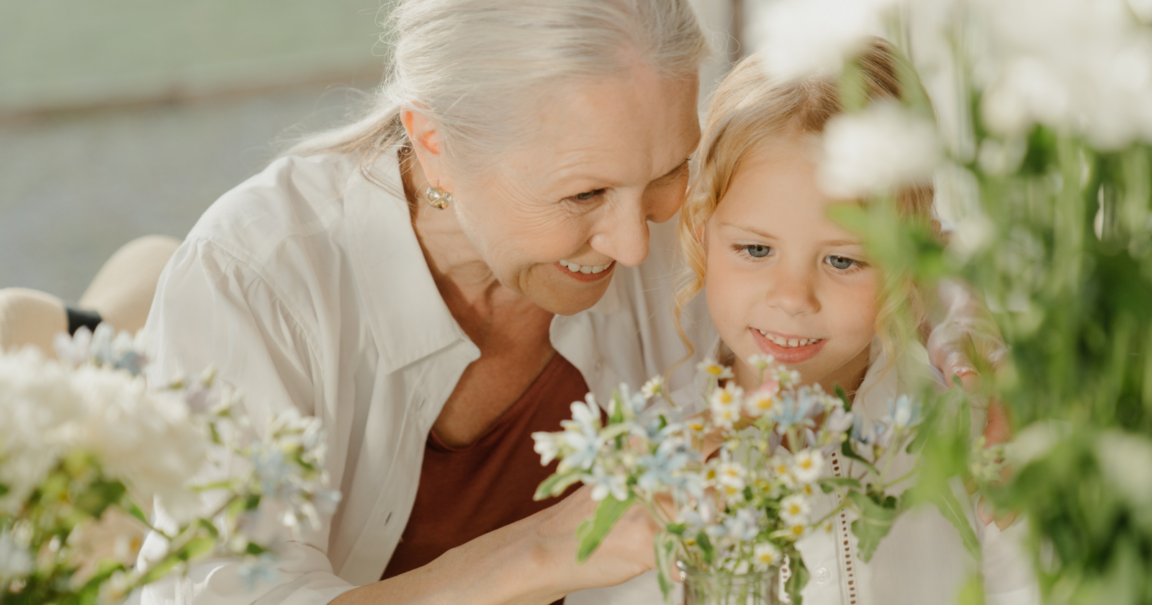
A grandparent’s influence rarely arrives as a lesson. It comes in through the side door, in the way they listen, the things they don’t rush, the small rituals a kid doesn’t even register as teaching.
Years later, those kids grow into adults carrying habits and beliefs they can’t quite trace, until they realize the source was an afternoon at their grandparent’s kitchen table.
The best ones shape a child without ever seeming to try. You’ll notice the pattern most clearly in the grown adults who turned out steady, and where that steadiness came from. Here’s how it tends to happen.
1. They have time the child can feel
A good grandparent gives a kid the rarest thing in modern life: unhurried attention.
There’s no clock running in the background, no next thing they’re rushing toward. When a child talks, they stay with it, even when the story makes no sense and takes ten minutes to go nowhere. The kid absorbs something from that without words. They learn they’re worth someone’s full, slow attention.
A child who grows up with even one person who was never in a hurry for them tends to carry a steady sense of being valued that holds up for the rest of their life.
2. The stories told over and over
The same family tales, repeated at every visit, do more than entertain.
The grandparent telling how things were, who came before, the trouble an uncle once got into, hands the child a sense of belonging to something longer than themselves. The kid rolls their eyes at the hundredth telling.
But the stories sink in anyway, and they become the child’s own inheritance. Knowing where you come from is a kind of anchor. The child who grew up steeped in family stories tends to feel rooted in a way that’s hard to shake loose later, even when life gets uncertain.
3. They let the child win sometimes and lose sometimes
The best grandparents don’t hand over every game, and they don’t crush the kid either.
They play it straight, mostly, letting the child taste a real win and sit with a real loss across the card table or the board game. It teaches something a parent often softens too much. Losing isn’t the end of the world, and winning feels better when it’s earned. The grandparent’s low stakes make it safe to learn this. There’s no grade attached, no big consequence, just the ordinary up and down of a game played with someone who loves you either way.
4. When the child makes a mistake
A good grandparent meets a child’s mess-up with calm instead of alarm.
The spilled drink, the broken thing, the bad report card. Where a stressed parent might react big, the grandparent has the distance to respond small. They help clean it up, maybe tell a story about a worse thing they once did, and move on. The kid learns that a mistake is survivable, not shameful.
That single lesson, absorbed young, shapes how the adult handles their own failures decades later. They reach for problem-solving instead of panic, because someone modeled it for them at six.
5. They teach with their hands, not lectures
So much of what a grandparent passes on comes through doing something together.
Kneading dough. Fixing the fence. Tending the garden, baiting the hook, sorting the buttons in the old tin. The kid learns by standing alongside, copying, being trusted with a real task. There’s no speech about patience or care. The patience and care are just baked into the activity.
A child who spent afternoons making something with a grandparent often grows into an adult who knows how to work with their hands and stick with a slow task, without ever being able to say where they learned it.
6. They believe in the child out loud
A grandparent will say the thing a kid most needs to hear and rarely doubt it.
“You’re going to do something special.” “I’ve always known you were clever.” It might not even be strictly true, but the child banks it. When the world later tells them they’re not enough, that old grandparent’s voice is sometimes the thing that argues back. People can run a long way on a belief that was planted early by someone who clearly meant it. The grandparent who said it probably forgot they did. The child may carry it for the rest of their life.
7. They keep their cool when the parents can’t
In the middle of family tension, a good grandparent is often the steady one in the room.
When the parents are stressed, arguing, stretched to their limit, the grandparent can be the calm harbor the child drifts toward. Not taking sides, not stirring it up, just offering a lap and a calm voice while the storm passes overhead. The child learns that chaos isn’t permanent and that some people stay calm inside it.
That memory of a steady presence during a hard time can become the template for how the adult tries to show up for others when things get rough.
8. The small traditions nobody else keeps
The pancake on Sunday. The walk to the same bench. The particular song, the secret handshake, the trip to feed the ducks.
These tiny rituals, just between the grandparent and the child, become some of the most treasured things the adult carries. They were never important on paper. That’s exactly why they matter. They told the child that they had a special place in someone’s world, a thing that belonged only to the two of them.
People can spend years chasing that feeling of being someone’s particular favorite. The lucky ones got a steady dose of it at a grandparent’s side.
9. They love the parents in front of the child
A grandparent who speaks warmly about the child’s own mom or dad gives the kid an understated gift.
Hearing a grandparent say “your mother was just like you at that age” with affection tells the child that the family they belong to is fundamentally a good one. It stitches the generations together. The kid sees their parent as someone who was also once small and loved, which softens everything. A grandparent who tears the parents down does the opposite damage. The ones who build them up, even gently, hand the child a sense that they come from people who care about each other.
Not every grandparent gets the chance to do all this, and plenty of wonderful ones only manage a few. The influence isn’t about quantity. A single steady presence can do more than anyone involved tends to realize.
If you had someone like this, it might be worth telling them, or telling someone, what those ordinary afternoons actually became. And if you’re a grandparent now, the smallest things you’re doing are very likely the ones that will last.