Hack Spirit Editorial Team
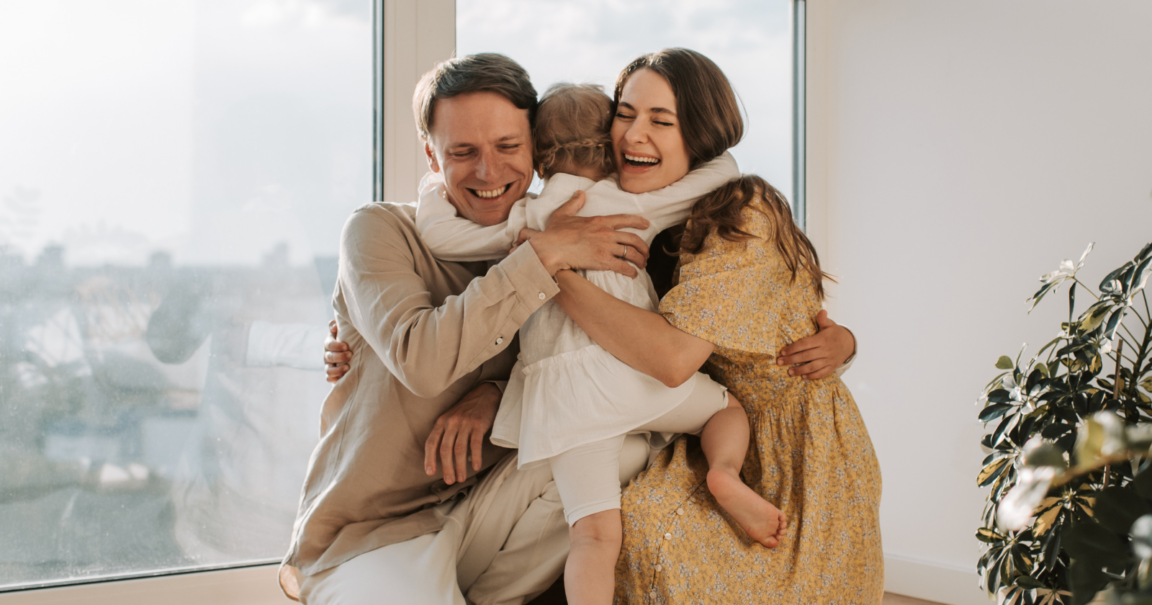
Good parenting rarely announces itself. It’s not the big speeches or the perfect birthday parties. It’s smaller than that, and it usually only becomes visible years later, once you’re an adult comparing notes with other adults.
Here are some of the less obvious signs that tend to show up in people who had genuinely thoughtful parents.
1. They were allowed to be upset without a lecture attached
Some households treat a child’s bad mood as a problem to be corrected immediately. Others let it exist for a minute.
People raised by thoughtful parents usually remember being sad or frustrated as a kid without someone rushing to fix the feeling or explain why they shouldn’t have it.
No speech. No “you shouldn’t feel that way.” Just space to feel it, and then move on when they were ready, not when someone else decided the mood had gone on long enough.
2. The apology habit
Every family has a different relationship with saying sorry. In some, it never happens at all. In others, it happens consistently, from the parent too.
Adults who grew up with thoughtful parents often mention this specifically: their mom or dad actually apologized when they’d overreacted about something small, or snapped after a long day.
It’s a small thing to witness as a kid. It teaches you that being wrong isn’t shameful. It’s just something that happens, and gets corrected.
3. They asked what you actually thought
“How was school” gets a one-word answer every time. “What did you think about that” gets something different.
Thoughtful parents tend to ask questions that assume their kid has an actual opinion worth hearing, not just a report to give.
Being asked what you thought, repeatedly, over years, teaches you that your perspective counts for something. That habit tends to carry. People raised this way expect to be asked, and notice when they aren’t.
4. When they had you wrong, they said so
The parent who decided you were lying when you weren’t. The one who assumed you couldn’t handle something, and then found out you could. The one who had a fixed idea of what you were like, and revised it.
Thoughtful parents acknowledge when they’ve specifically misjudged you. Not just “I lost my temper” but “I had you wrong about that.”
It leaves a different mark than a standard apology. It tells a child that the parent is actually paying attention, updating their picture of who that child is rather than working from a settled version of them.
5. They weren’t compared to a sibling, a cousin, or anyone else
Comparison is an easy trap for parents to fall into, usually without meaning any harm by it. “Your brother never had this problem.” “Your cousin already knows how to do that.”
Thoughtful parents tend to resist it almost entirely.
Kids raised without that constant measuring stick often grow into adults who don’t automatically rank themselves against everyone around them. It’s a habit that tends to get built early, or not at all.
6. The goodbye that wasn’t rushed
Some families treat drop-offs and departures as logistics. Get in the car, say bye, go. The child is a thing to be delivered, not a person to be left.
Others linger for an extra beat. A real look. A real “call me when you land” said before the departure, not during it. A moment where it’s clear the other person’s leaving actually registers.
What that communicates to a child, over years, is that transitions matter and that they’re worth slowing down for. People raised this way tend to carry it into their own goodbyes. They notice when someone rushes through the end of something, because they know what the alternative feels like.
7. Curiosity about who they were becoming, not just correction of who they were
There’s a difference between a parent who’s constantly managing a kid’s behavior and one who’s genuinely curious about what that kid is turning into.
The first mostly asks “why did you do that.” The second sometimes asks “why do you think you did that,” and actually waits for the answer.
That second question shows up more in people who describe their parents as thoughtful. It’s a subtle shift. It changes how a kid learns to think about their own behavior instead of just reacting to being caught.
8. Rules that came with a reason, even a short one
“Because I said so” ends a conversation fast. It also teaches a kid nothing except to comply or resent it.
Thoughtful parents didn’t always have the time or patience for a full explanation. But often enough, they gave one anyway, even a sentence.
“Because it’s not safe.” “Because it’s not fair to your sister.” Small reasons, repeated over years, add up to something. They teach a kid that rules come from logic, not just power.
Getting parenting right every day is impossible. What these patterns point to is something smaller: a few habits, repeated consistently enough, that left a mark. Most people who recognize them will also mention plenty their parents got wrong. But these are the things that tend to stick.