Hack Spirit Editorial Team
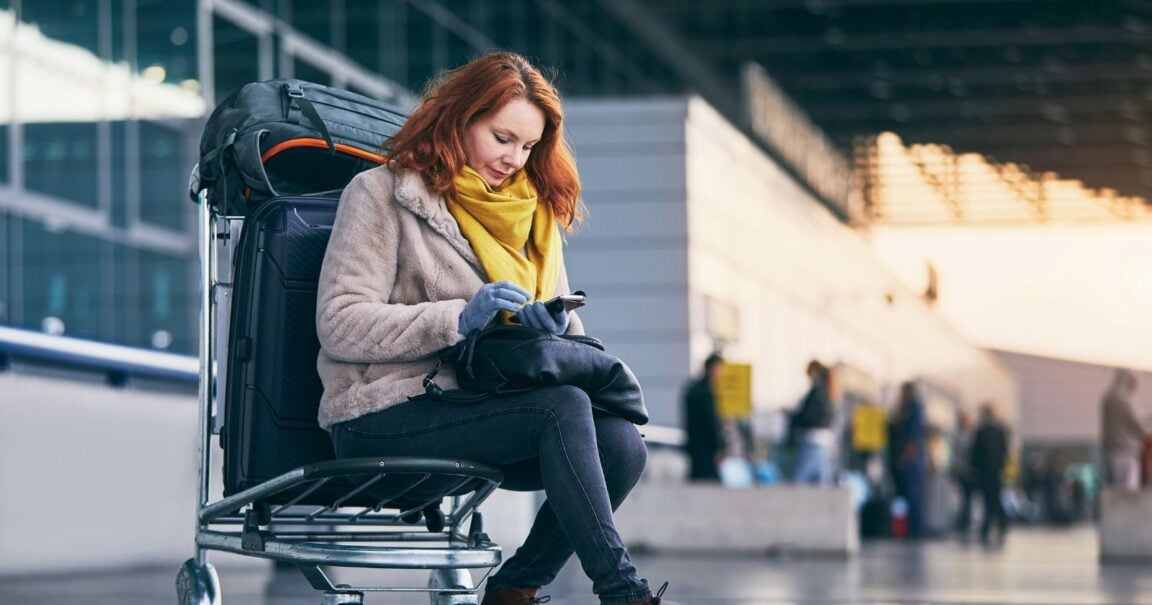
Watch a delayed-flight gate for twenty minutes and a particular kind of person becomes visible — not by what they’re doing, but by what they’re not.
Not craning at the departures board. Not narrating the injustice to whoever is nearest. Not tipping over into the frustration that seems, somehow, to have claimed everyone else.
Once you start watching for this, you see it everywhere. The man at the DMV reading a paperback like it’s a Sunday afternoon. The coworker whose flight got delayed twice, who used the extra hours to nap instead of complain.
Here’s what they tend to have in common.
1. The twenty-minute buffer
Ask this person what time they’re leaving for something and the answer is almost always earlier than it needs to be.
Not because they love arriving early, but because they stopped assuming things would go smoothly.
Traffic. A line at security. A parking lot that’s fuller than expected. None of it derails them, because none of it was unexpected in the first place. The wait was already priced into the plan before it happened.
When you expect friction, friction doesn’t feel like betrayal. It just feels like Tuesday.
2. They never arrive empty-handed
These people rarely show up at a wait unprepared.
A book, a podcast they’ve been saving, a voice memo they’ve been putting off recording. Not because they’re obsessive planners, but because experience has taught them that an empty wait is the hardest kind.
Having something to absorb them converts the wait from dead time to directed time. It isn’t about being productive — it’s about giving the attention somewhere else to go.
Ten minutes with a book in hand is a different experience than the same ten minutes spent staring at a slow-moving line.
3. Keeping the reading proportional
When something delays them, they tend to land on the smallest reasonable reading of it.
A flight delayed by an hour is an inconvenience, not a ruined trip. A slow line is a slow line, not evidence that the afternoon is lost.
This isn’t practiced stoicism or denial. It’s a habit of keeping the frustration proportional — not amplifying it beyond what the situation actually warrants. They let a delay be just a delay, until there’s a specific reason to treat it as something more.
4. Deciding not to fight it
There’s a particular energy that spreads through a slow line.
Necks craning to see the holdup. Someone sighing loud enough for the cashier to hear. A collective, unspoken agreement that this is unacceptable.
The person who isn’t bothered tends to just stand there. Sometimes they strike up a small conversation with a stranger. Sometimes they just look around the store, noticing things they’d normally walk past.
The line moves at exactly the same speed either way. They’ve just decided not to fight it in the meantime.
5. Shoulders first
You can often tell who’s about to lose patience by their posture before they say a word.
Perched on the edge of a seat. Shoulders up near their ears. Leaning forward like the wait might end sooner if they stay ready to pounce on it.
The people who handle delays well tend to settle their bodies first. They sit back. They put both feet on the floor. They let their hands rest instead of gripping a phone like it owes them something.
Research in embodied cognition suggests the body and mind influence each other more directly than most people expect — relaxing your posture can shift how you’re feeling, not only the other way around.
6. They fix what they can, then stop
A wait doesn’t just cost time, it usually knocks something else off the day too. A doctor’s appointment running late means a rearranged afternoon. A delayed flight means a missed dinner.
Some people announce this to anyone nearby, narrating the inconvenience out loud. Others just quietly send a text. “Running late, let’s push to three.” Then they put the phone away and go back to waiting.
Fixing the actual problem — rearranging the plan — felt more useful than discussing how unfair the wait was. Once the adjustment is made, there’s nothing left to manage.
7. Found time, not lost time
Most of us treat a delay as time that’s been stolen from us. A slot on the calendar that’s suddenly empty and useless.
The unbothered ones tend to treat it as time that opened up instead. A waiting room becomes twenty minutes to sit and think about nothing in particular. A delayed train becomes a chance to finally text someone back.
It isn’t that they secretly enjoy waiting rooms. It’s that they don’t need the time to be spent a certain way for it to count as worthwhile.
8. Staying in their own mood
Frustration in a waiting room or a slow line spreads fast. One person starts complaining and it’s almost impossible for the mood in the room not to tilt.
The person who stays unbothered can usually hear someone else’s irritation without absorbing it. They’ll nod. They might even agree that yes, this is taking a while. But the other person’s mood stays the other person’s mood.
Emotional states are contagious in ways most people underestimate. Staying in your own mood while someone next to you vents isn’t indifference — it’s a kind of stability that has to be actively maintained, not just hoped for.
Unbothered isn’t the same as unaffected
Looking at these eight habits together, most of them aren’t responses to a wait. They’re decisions made before one begins — buffer time built in, something ready to absorb the attention, a default tendency to keep the frustration proportional.
By the time the delay actually shows up, the unbothered person has already arranged things so there’s not much for irritation to grip onto.
That’s the part that’s easy to miss when you’re watching from the outside. It looks like composure in the moment. It’s mostly preparation beforehand.