Hack Spirit Editorial Team
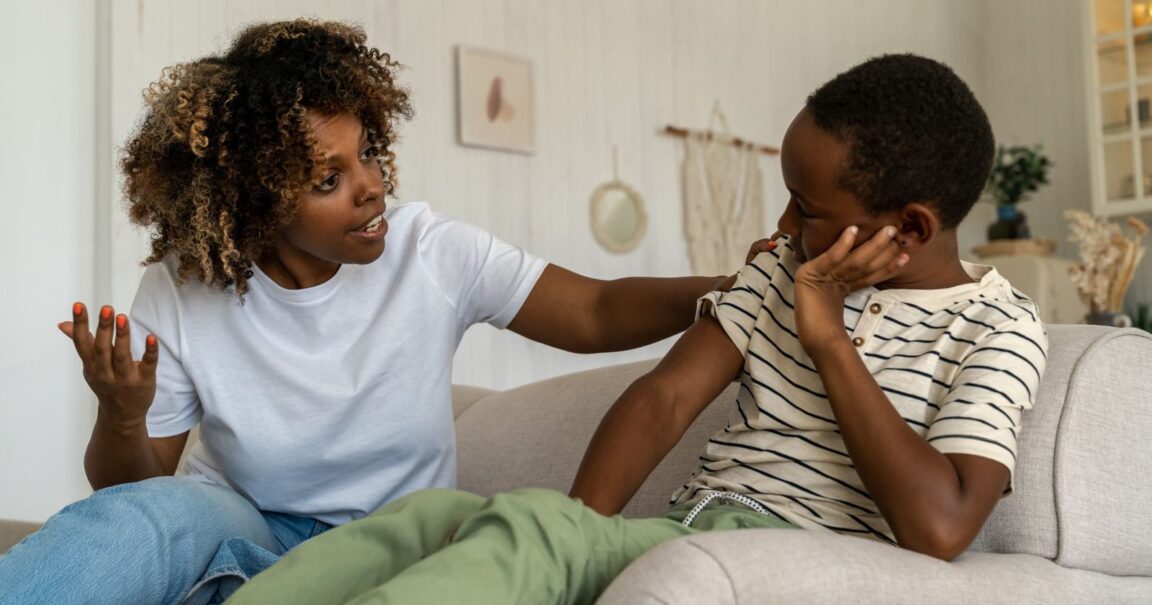
Ask most adults what their parents tried to teach them, then ask what they actually learned. The two lists rarely line up.
The formal lessons fade faster than parents expect. The sit-down talks, the speeches in the car, the carefully worded advice before college. Much of it doesn’t survive the drive home. What stays is stranger and quieter.
It’s the offhand comment about a neighbor. The tone at the dinner table when work had been bad. The way a parent treated a waiter on a Tuesday night when nobody thought it was a lesson.
Kids can smell a lecture coming
Part of the reason so little of the formal stuff sticks is that children can feel a lesson approaching before it arrives.
Something shifts in the air. The voice gets more careful. The eye contact turns purposeful. The whole conversation feels staged, and a child listens to it the way anyone listens to a safety announcement on a plane. Present enough to nod. Not present enough to remember.
Informal learning may also be happening ten minutes later, when nobody is calling it teaching.
At the sink. On a Sunday morning when a parent thinks nobody’s watching. In the car when someone cuts in front and everyone in the back seat hears exactly what the parent thinks of that person’s driving, their vehicle, and probably their character.
What gets watched, not what gets said
The gap between a staged lesson and an unguarded moment can be an important part of what a child learns. Watch a family for long enough and you’ll see it.
Children absorb what their parents do when the guard is down—especially when what they do and what they say don’t align. A parent might tell a child to be kind, then be short with a cashier the same afternoon. The child heard the sentence. They also watched the cashier. It’s not hard to guess which one taught them what kindness actually looks like in the wild.
Classic research on observational learning showed that children can reproduce behavior they see modeled by adults. In Bandura, Ross and Ross’s 1961 experiment, preschool children exposed to an aggressive adult model later showed more matching aggressive behavior than comparison groups. That study demonstrates learning from observed behavior; it does not show that children always copy a parent’s actions or ignore verbal guidance when words and actions diverge.
And what gets absorbed is often small.
How money was talked about when the bills came in. Whether a parent apologized when they were wrong, or went quiet and let the moment pass. How they handled disappointment, a lost job, a friend who let them down. Whether they laughed at their own mistakes or got tight-lipped and moved on. Whether they knew how to sit with a bad day, or needed to fix the mood in the room within twenty minutes.
Tone travels further than content
Underneath all of those small moments, there’s something even quieter doing most of the work.
Tone.
If a mother always described a certain aunt with a particular sigh, that sigh got inherited before the child even understood what it meant. If a father always talked about his boss with a specific flatness, that flatness became part of how the child thought about work, years before they had a job of their own.
Some of it is even smaller than that. The way a parent stood at the counter waiting for the kettle. Whether they softened when they were tired or got sharper. What they did when a stranger asked for change. The stories they told about their own parents at dinner, and the stories they never told at all. The moods they let into the house and the ones they left at the door.
The lessons that live in the aftermath
Tone shows up most clearly in what happens after something goes wrong.
Kids pick up what a family does once the argument is over. Whether the parents came back to the topic once the heat was down, or whether the fight became one of those things nobody mentioned again. Whether apology looked like a real conversation or a plate of food set down without a word. Both are lessons. One of them just doesn’t call itself one.
You cannot really control what sticks. The lecture you prepared for weeks may not survive the drive home. The eye-roll you gave a coworker on the phone might outlive you.
Why people end up sounding like their parents
Which is why so many people end up sounding like their parents in ways their parents never intended. The politics don’t always transfer. The values might not either.
What transfers is the rhythm. The small habitual movements of how a person moves through an ordinary day. The half-sentence you’d say when a package didn’t arrive. The face you made when someone told you a piece of gossip. The particular pause before answering a question you didn’t want to answer.
Children are pattern-matchers. They don’t watch what you do once. They watch what you do a thousand times.
The moments a parent felt most careful and deliberate, the times they thought they were shaping something, often produced no visible result. And the moments they were tired, distracted, half paying attention, running late—those are the ones that got engraved.
The good stuff sticks too
It cuts the other way just as often. The good things get absorbed too, and often the ones a parent didn’t notice themselves doing.
The small kindness on autopilot. The habit of asking one more question when a friend seemed off. The instinct to keep leftovers in case someone dropped by. The way they actually listened when a child was upset, even the times they thought they hadn’t done it well.
Kids clock all of it. They just rarely tell anyone which parts they kept.