Hack Spirit Editorial Team
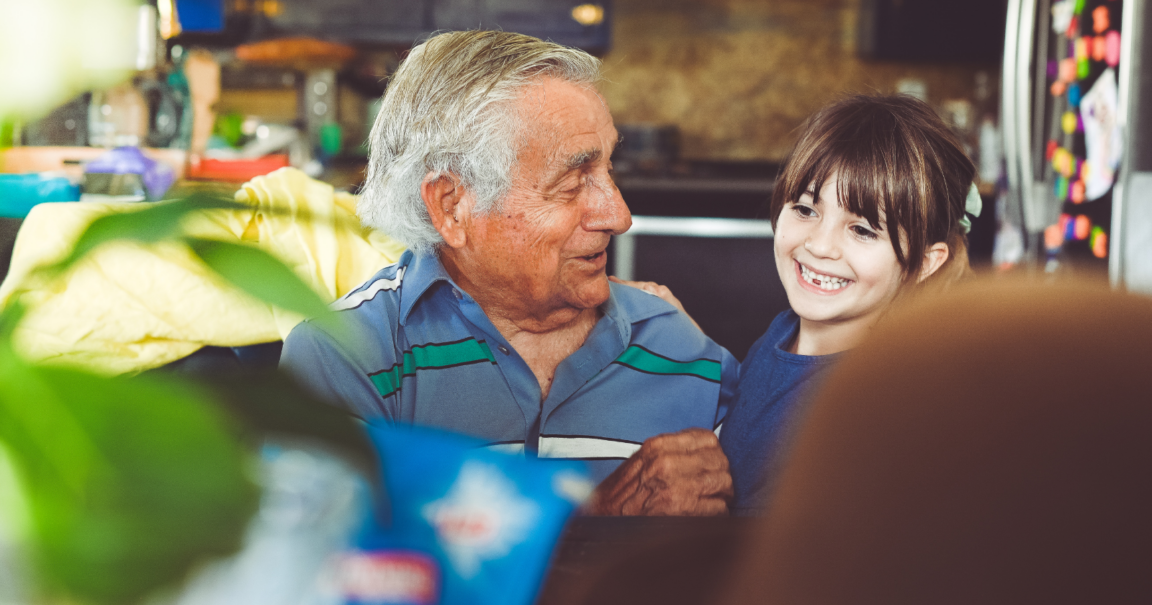
Ask someone about their grandparents and they rarely mention a present. They mention a smell, a saying, the way they were made to feel when they walked in the door.
Kids forget most of the toys within a year. What sticks is smaller and harder to wrap. The attention, the rituals, the sense of being someone’s favourite person for an afternoon.
If you’ve got grandchildren, or you’re watching your own parents with your kids, these are the gestures that end up mattering. Not the expensive ones. The ordinary ones that slowly become the whole memory.
1. They remember the little things
They know which cereal you like, which cartoon you’re obsessed with this month, the name of the friend you fell out with at school.
For a kid, being remembered like that is significant. It says you were paying attention when I wasn’t performing, that I stuck in your mind after I left the room. Most adults ask the same three questions and forget the answers by dinner.
A grandparent who keeps the small facts straight makes a child feel known. They’ll have the right snack waiting. They’ll ask how the friend thing turned out. It’s a tiny act of memory that lands as something far bigger: you matter enough to keep track of.
2. The phone stays in the drawer
When the grandchild is around, the phone goes face down or gets put away entirely. The attention is all theirs.
Kids can tell instantly whether someone is really with them or just in the same room. They clock the half-listening, the glances at the screen mid-story. A grandparent who sets the phone aside is offering something most of the adult world won’t: full, undistracted focus.
It doesn’t require any special activity. Just the sense that nothing is competing for the grown-up’s attention. For a child used to talking to the tops of people’s heads, an adult who actually looks at them while they ramble gives them something they won’t easily forget.
3. Telling the same old stories
The story about the time their dad got the car stuck. The one about running barefoot to school. The kids have heard it forty times and they still ask for it.
Repetition isn’t a flaw here, it’s the point. Familiar stories give a child a sense of roots, of belonging to something that started long before they turned up. They’re learning who they come from without realising that’s what’s happening.
You’ll notice the grandchild starts finishing the sentences, correcting a detail, requesting a favourite. That’s the moment the story stops being the grandparent’s and becomes the family’s. Handed down, one retelling at a time, until the kid tells it to their own.
4. When they take your side
Every kid needs one adult who is unshakably on their team, and grandparents are often the ones who get to be that.
Not in a way that undermines the parents, but a steady sense of being defended. The grandparent who says “leave the boy alone, he’s fine” when the table gets too critical. The one whose house feels like a place where you’re never quite in trouble.
Parents have to be the enforcers. It’s the job. Grandparents get to be the soft landing, the ally, the person whose face lights up regardless of the school report. For a child getting corrected all week, having someone simply glad they exist is a kind of shelter.
5. They teach you how to do something
How to bait a hook, knead dough, change a tyre, plant seeds in a straight row. A skill passed hand to hand, at a kid’s pace.
There’s a particular closeness that comes from being taught something by an older person who isn’t in a hurry. No rushing, no doing it for you to save time. Just the patience to let you get it wrong a few times and try again.
The skill itself often matters less than the hours spent shoulder to shoulder learning it. Years later the grandchild might not fish much, but they’ll remember whose hands showed them how. Some of the best talks happen sideways, both people looking at the task instead of each other.
6. The standing tradition
There’s usually one ritual that belongs just to them. The pancakes every Sunday. That particular walk. The card game that only ever comes out at their house.
Traditions like these become anchors in a kid’s year. They know it’s coming, they look forward to it, and it belongs to no one else. That exclusivity is a big part of the magic. This is our thing.
It doesn’t have to be elaborate or cost a penny. The reliability is what counts. In a childhood full of change, a grandparent who does the same small special thing every single time gives a kid something steady to hold onto. They’ll chase that feeling for years.
7. Being asked a real question
Most adults talk at children. They comment on how tall they’ve got and move on. A grandparent who asks a genuine question stands right out.
What do you actually think of your teacher? What’s the best book you’ve read this year? And then, the rare part, they wait for the answer and treat it seriously.
Being asked something real, and being listened to like your opinion counts, is heady stuff when you’re small. It tells a child they’re a whole person worth talking to, not just a cute thing to be patted on the head. Kids remember exactly who made them feel that way — and those tend to be the relationships they keep reaching back toward as they get older.
8. When the mail has your name on it
A postcard from a trip. A birthday card that arrived a day early. A newspaper clipping about something the kid mentioned once, folded into an envelope.
Getting actual mail is thrilling for a child in a way adults forget. Their name, their address, something that travelled to reach them specifically. It’s proof of being thought about across a distance.
The words barely matter. A grandparent who takes the trouble to send something physical — a stamp, a few scrawled lines — gives a kid a small object they can hold and keep. Plenty of people still have a shoebox of those cards decades later, long after they’ve forgotten every toy they were given.
The thread through all of these is time and attention, which happen to be the two things nobody can buy back later. A gift sits on a shelf. The afternoons don’t.
If you’ve got older relatives near your kids, making room for the ordinary hours is worth the effort — the ones that don’t look like much from the outside. Those tend to be the ones the children end up carrying with them the longest.