Hack Spirit Editorial Team
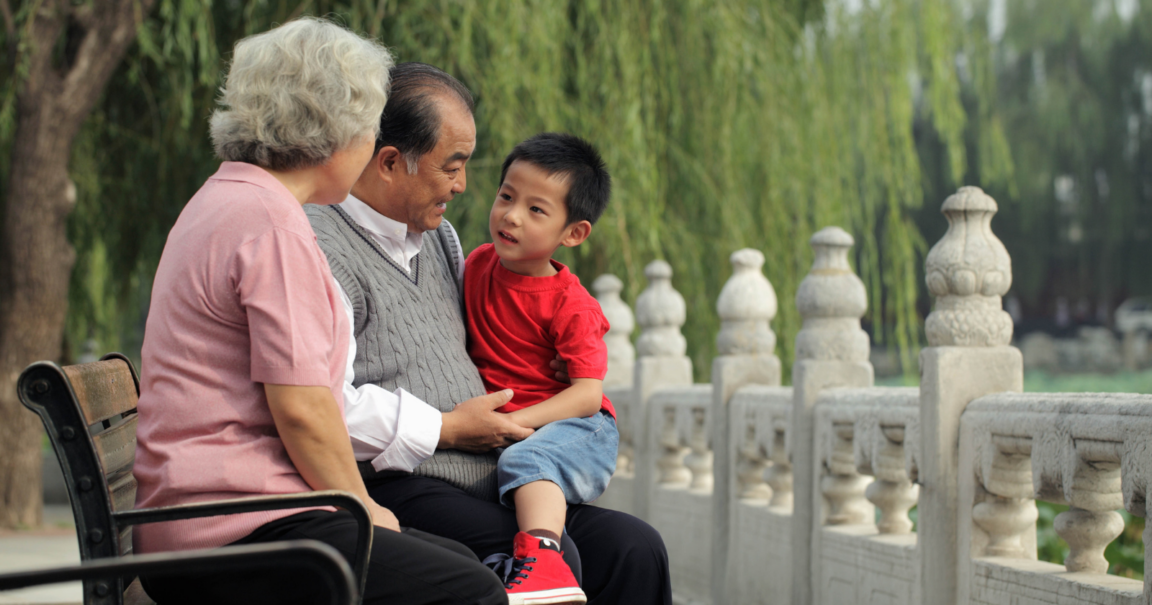
Most grandparents are doing their best, with the best intentions. That’s exactly what makes this hard to talk about.
The mistakes here aren’t the dramatic ones. Nobody’s being cruel or careless. They’re the small habits that come from love, experience, and a real desire to be useful, and they land differently than they were meant to. The grandparent leaves feeling close. The parent leaves with a low-grade sense of having been overridden and can’t always explain why.
Here are nine of them, the kind you notice more the longer you watch families up close.
1. They step in before anyone asks
A toddler starts winding up at the dinner table, and the grandparent has already scooped them out of the chair.
It’s meant as help. It usually reads as help, too, at least the first few times. But the parent was often three seconds away from handling it themselves, and now they’re standing there mid-sentence with nothing to do.
Do that enough times and a parent starts to feel like a spectator in their own family. Not because anyone said anything unkind, but because they never got to finish the moment.
The fix is small. Wait a beat. Let the parent go first, and step in when they look up.
2. The correction that sounds like a compliment
“He’s always so calm when he’s here.” “She eats everything for me, no problem at all.”
These are said warmly. They’re often said in front of other people, which is part of why they sting.
The grandparent hears themselves saying something lovely about the child. The parent hears a report card with a note attached about what isn’t working at home. Nobody intended the second version, but it’s the one that gets remembered on the drive back.
You’ll notice this one most with new parents, who are already running an internal scoreboard nobody asked them to keep.
3. Comparing the grandchildren out loud
It rarely comes out as a ranking. It comes out as description. The quiet one. The wild one. The one who’s just like his father.
Adults hear affectionate shorthand. Children hear a role being assigned, and they hold onto it far longer than anyone expects.
The trouble is that these labels are sticky. A seven-year-old who gets called the difficult one at enough family lunches starts to wonder whether that’s simply what she is, and starts behaving accordingly.
Grandparents almost never mean it as a judgment. Kids almost always take it as one.
4. When the rules change at their house
Later bedtimes, sweets before dinner, screens the parents said no to. This is half the point of grandparents, and most parents know it.
The friction isn’t about flexibility in general. It’s about the two or three specific things the parent asked for directly, and then watched get waved off with a smile.
A grandparent thinks of it as one indulgent weekend. The parent thinks about the three days of resetting that follow, usually alone, usually while tired.
Bend the small rules. Keep the ones you were asked about by name. That distinction matters more than it seems.
5. They treat every worry as an overreaction
Car seats, food allergies, sunscreen, screen limits, the pediatrician’s latest advice. At some point someone says the line: “We never did any of that and you turned out fine.”
It’s usually offered as reassurance. It’s usually received as dismissal.
Parents today are handed an enormous amount of information and told they’re responsible for all of it. When a grandparent laughs it off, the parent doesn’t hear “relax.” They hear “your concerns are silly, and I’m not going to follow them when you’re not here.” It’s possible to think a worry is excessive and still honor it — and that combination is exactly what parents in this position are looking for.
6. The gift that becomes a project
The drum kit. The enormous stuffed animal in a small apartment. The pet, occasionally, without a conversation first.
The joy lasts an afternoon. The storage problem lasts years.
What’s happening here is usually generous and a little competitive at the same time. The big gift buys a reaction, and the reaction feels like closeness. It’s a fair thing to want.
But somebody has to live with the object afterward, and it isn’t the person who bought it. Asking first costs almost nothing and removes the whole tension. Most parents will say yes, and the ones who say no will be grateful for the chance to say so.
7. Bringing up how it was done back then
Sleep training, feeding schedules, discipline, screen time. Whatever the topic, there’s a version of the past that gets offered up as evidence.
Sometimes it’s genuinely useful. Grandparents have seen things through, and there’s real comfort in hearing that a phase ends.
The problem is when it arrives during a hard moment rather than after one. A parent standing in a kitchen at eleven at night with a screaming baby doesn’t need historical context. They need someone to hold the baby.
Advice lands better when the person receiving it isn’t currently drowning.
8. When one grandchild becomes the favorite by accident
Almost nobody chooses this. It happens through geography, temperament, timing. One child lives twenty minutes away and one lives on the other side of the country. One shares your hobby and one doesn’t talk much.
The affection isn’t unequal. The contact is, and to a child those look identical.
Kids keep count of things adults assume go unnoticed. Who got the longer hug. Who got asked about school. Who got the phone call on a random Tuesday.
The honest question is whether the pattern you’d call circumstance would look like preference from four feet off the ground.
9. They wait to be invited instead of asking
This one makes the least noise, and it’s probably the most common of all.
A grandparent feels left out. They notice they weren’t told about the school play, or that Sunday came and went again without a call. So they wait, a little hurt, for someone to reach out.
Meanwhile the parents are underwater, assuming that if the grandparents wanted to come they’d have said so.
Two people wanting the same thing, both waiting for the other one to move first. Whole years go by like that. A direct sentence usually breaks it: “I’d love to see them this weekend, does that work?” It’s less graceful than being invited. It works far better.
A list like this can read harsher than it’s meant to. Most of these habits come from wanting to be close and not being sure how to ask for it in plain words.
If you recognized someone in this list, it might help to remember they’re working from a version of family life handed to them decades ago, and mostly doing their best with it. And if you recognized yourself, the adjustment is usually smaller than it feels from the inside. Ask first. That covers most of it.