Hack Spirit Editorial Team
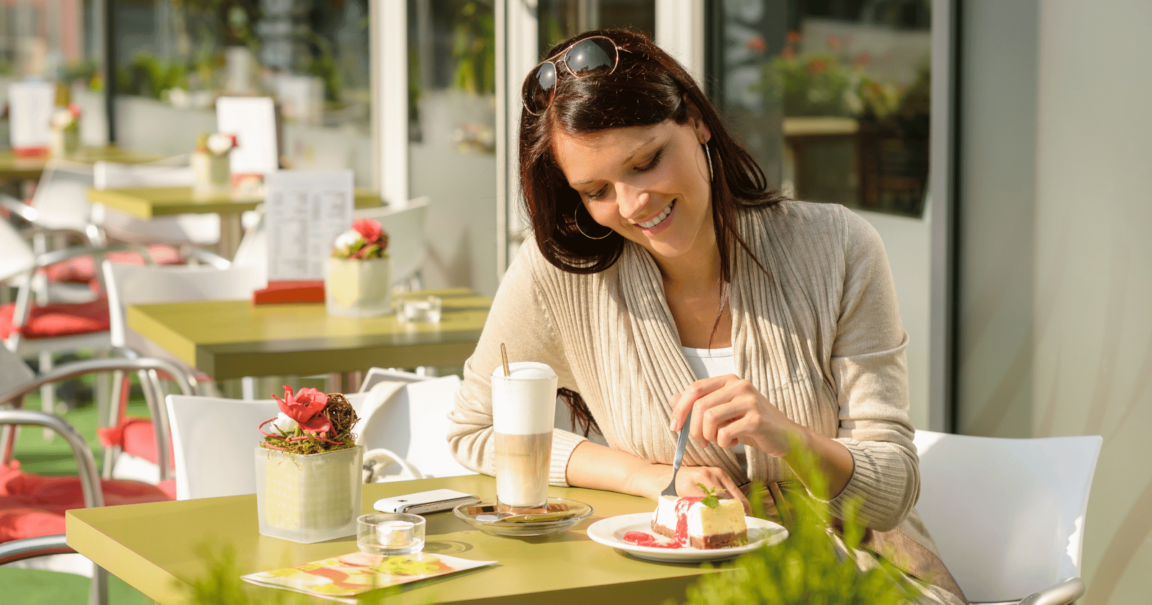
You’ll see it at restaurants sometimes. Someone sits down, puts their phone face down or slides it into a bag, and just stays there. Through the appetizers. Through the wait between courses. Through the pause when nobody knows what to say next.
They don’t reach for it once.
It sounds like a small thing. Watch a room long enough and you’ll notice how rare it has become.
The bar has quietly moved
A few decades ago, sitting through a meal without checking anything wasn’t a discipline. It was just how meals worked. There was nothing to check.
Now the phone is on the table before the water arrives. Someone flips it over during a lull. Someone reads a text while the other person is mid-sentence. It happens so smoothly that neither person really registers it. The scroll has become part of the meal.
So when you see someone who doesn’t do it, it stands out. They’ve quietly held onto something most of us have let slip, and they’re not making a show of it. The bar for what counts as impressive has moved. Doing what used to be ordinary is now the thing that catches your eye.
It isn’t really about the phone
The phone is the surface of it. What’s underneath is harder.
Sitting through a meal without checking anything means tolerating the pauses. The moment when the other person is reading the menu and you have nothing to do with your hands. The five minutes between ordering and the food arriving. The stretch of silence after a serious topic, when neither of you knows what comes next.
Most of us reach for the phone in those moments not because we need anything, but because the pause itself feels uncomfortable. The phone is a quick way out. It gives your hands something to do and your brain a small hit of something new. Taking it away means sitting in the discomfort and letting it pass on its own.
That’s the actual skill. The phone is just where you see it.
The pull is honest
None of this means the pull isn’t real. It is. Phones are built to be hard to put down. That isn’t a moral failing on anyone’s part. It’s just a thing baked into how they work.
So when someone manages to leave one alone for ninety minutes, they’re not doing something easy. They’ve decided, over and over again, that whatever is on the phone can wait. Every notification they don’t check is a small quiet decision.
Small decisions add up. Discipline is the same small choice made quietly, many times — not a single dramatic moment of willpower.
The person across from you can feel it
There’s a particular feeling of being with someone who is fully there. You don’t always name it while it’s happening. You just notice, later, that the meal felt good in a way you can’t quite explain.
The reverse is easier to spot. You’ve had dinner with someone who kept half an eye on their screen. You remember it. Something in you registered that you had seventy percent of them, at best. You probably didn’t say anything. But the meal felt thinner than it should have.
The person who leaves their phone alone doesn’t need to announce it. Their presence does the announcing. And the person across from them, whether they name it or not, walks away feeling a little more seen than they usually do.
A muscle, not a personality trait
Nobody is born with this. The people who can do it now weren’t born calm and focused. Most of them just noticed, at some point, that they didn’t like who they became when their attention was in fifteen places at once.
So they made a small rule for themselves. No phone at dinner. Or no phone on the table. Or phone in another room during family meals. It sounds almost too basic to matter. That’s part of why it works. It’s small enough to actually do.
The first few times feel uncomfortable. You reach for a phone that isn’t there. You feel a low-grade itch during the pauses. Then, slowly, the itch fades. The pauses stop feeling like problems. You start enjoying meals a little more. You start noticing the person across the table in a way you’d forgotten was possible.
What it quietly gives back
Keep this habit long enough and you’ll likely notice the same few things. Meals feel longer, in a good way. Conversations wander into places they wouldn’t have reached otherwise. Food tastes like more than fuel.
None of that is dramatic. Nobody’s life changes because they stopped scrolling between bites. But something does soften. The rush that follows you through the rest of the day gets left at the door for an hour. You remember what it feels like to just be somewhere.
That hour adds up over years. It becomes the shape of how you live.
What the habit is actually saying
Every time you leave the phone alone through a meal, you’re making a small bet: that the conversation in front of you is worth more than whatever is waiting on the screen. Usually you won’t even know if you were right. The meal ends, you go home, nothing dramatic happens.
But you were there for it. That’s the whole thing.